

In Michigan the right time to clear land is when the ground is firm, which usually means a dry stretch from summer into fall or frozen ground in winter, and the worst time is the soft, wet spring thaw. What is growing, whether oaks are involved and what the land is for next can shift that timing for your property.
Firm ground is the whole game
Clearing and mulching machines are heavy, and the soil in much of this part of Michigan is clay that drains slowly. When that ground is wet, tracks sink, ruts form, and the job ends with repair work that was not part of the plan. When it is firm, the machine works faster, the surface is left cleaner and the cost stays where it was estimated.
So the season matters less than the condition of the ground on the days the work happens. A dry week in spring can be fine. A wet week in fall can be poor. Watching the weather and being flexible by a week or two is often the simplest way to save money on clearing.
Winter: frozen ground
Frozen ground can carry equipment across areas that are too soft to work the rest of the year. For mulching brush on low ground, winter can be a good window, and with the leaves down it is easier to see the trees, the lay of the land and what is worth keeping.
Winter has limits. Deep snow hides stumps, rocks and old fence wire. Grubbing stumps out of frozen soil is hard, and final grading has to wait for thawed ground. If you suspect wetlands, note that EGLE says winter requests to its Wetland Identification Program are held until the spring growing season, so ask about wetlands well before a winter job. Our guide to land clearing permits covers who to call.
Spring: the thaw and weight limits
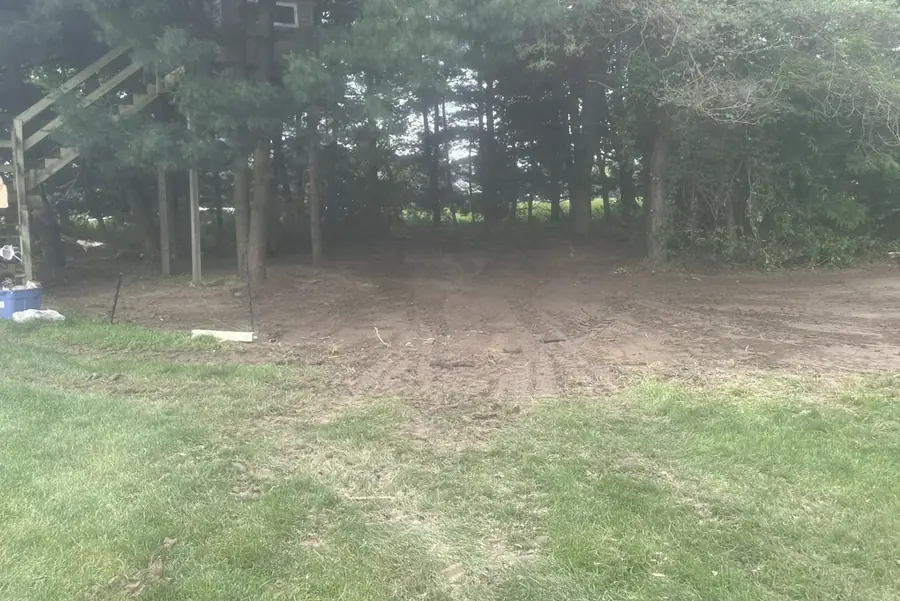
Spring is usually the hardest season for clearing. As frost comes out of the ground, the soil turns soft and holds water, and machines that would leave a light track in summer can leave deep ruts. It is often better to wait a few weeks than to pay for the damage.
Roads matter too. Michigan road agencies put seasonal weight restrictions on many roads during the thaw, which affects when loaded trucks can deliver equipment or haul debris. Our guide to Michigan frost laws explains where to check the current notice for your road before a job is scheduled.
Late spring and summer: oaks and growth
If oaks are on the property, the calendar matters. Michigan's invasive species program says not to prune oaks between April 15 and July 15, because beetles carry oak wilt spores to fresh wounds in that window, and it says not to move firewood because the disease spreads with infected wood. Where oaks are staying on a lot being cleared, plan work near them outside that window so they are not nicked or broken.
Summer brings full leaves, which hide what is inside a thicket, and fast regrowth on anything cut early in the season. It also brings the driest ground of the year in many years, which is good for grubbing stumps and grading. Mid to late summer is often a strong window for clearing that ends with a graded, bare site.
Fall: often the strongest window
Fall tends to combine the things clearing needs. The ground is often still firm from summer, the leaves come down so the land is easier to read, and the growing season is winding down so cut brush does not spring back right away.
Fall is also when many people want land ready for the next year: a pad ready for a spring barn, a building site cleared before winter, or hunting land opened up. That makes it a busy season for clearing contractors. If you want work done in fall, call in summer so the walk-through and estimate are done before the schedule fills.
Match the timing to what comes next
Work backward from the next step. If a builder is starting in spring, clearing and pad work in fall or winter keeps the site ready. If you plan to seed a field or a lawn, finish the clearing and grading with time to plant in a good growing window. If the land is just being opened up, mulching can wait for the firmest ground.
George can look at the land and tell you which window suits it and how the ground is likely to behave. The estimate is free and starts with a walk of the property. Call (989) 702-2426, and see our land clearing and site preparation page for how the ground gets left.
The Short Version
- Firm ground matters more than the month: dry stretches and frozen ground are good windows.
- The spring thaw is usually the hardest time, and road weight limits can apply.
- Avoid wounding oaks that are staying from April 15 to July 15, per the state's oak wilt guidance.
- Fall is often a strong window, so book the estimate in summer.
- Time the clearing around what comes next: a build, a planting or just open land.
Quick Answers
Is winter a good time for forestry mulching in Michigan?
Often, yes. Frozen ground can carry equipment over soft areas without rutting, and bare trees make it easier to see what to keep. Deep snow can hide stumps and debris, so it depends on the winter and the site.
Why do contractors avoid clearing in early spring?
The thaw leaves the ground soft and wet, especially on clay, so machines rut it and the repair work adds cost. Seasonal road weight limits can also affect equipment and debris trucks. Waiting for firm ground usually saves money.
Does it matter when oak trees are cut?
Michigan's invasive species program says not to prune oaks from April 15 to July 15 because of oak wilt, and not to move firewood. If oaks are staying near the work, plan the clearing around that window.
How far ahead should I book land clearing?
Call a season ahead if you can, especially for fall work. That leaves time for the walk-through, any permit calls and scheduling. Reach Elite at (989) 702-2426.
See the land clearing & site prep service or call (989) 702-2426.